
Hackney and purpose-built taxis
Including LEVC taxis and other vehicles used for standard taxi licensing and everyday passenger work.

Taxi Finance Direct helps fund a wide range of taxi and private hire vehicles across the UK, from LEVC taxis and executive cars to minibuses, MPVs and larger fleet requirements. Whether you are a single vehicle operator, an established private hire business or a fleet owner looking to refinance, the aim is to put the right vehicle on the road with funding built around commercial use.
Taxi finance is not one product. A London private hire driver financing an LEVC, a chauffeur replacing a Mercedes V-Class, and a fleet operator funding multiple income-producing vehicles all have different requirements.
Adjust the sliders to estimate your monthly payment and weekly equivalent.
Estimated Monthly Payment
This calculator is for illustration only. Actual finance terms depend on lender approval, credit status, vehicle type, vehicle age, deposit, mileage and underwriting. The credit rating selector is used to estimate the calculation and does not guarantee acceptance or a specific rate.
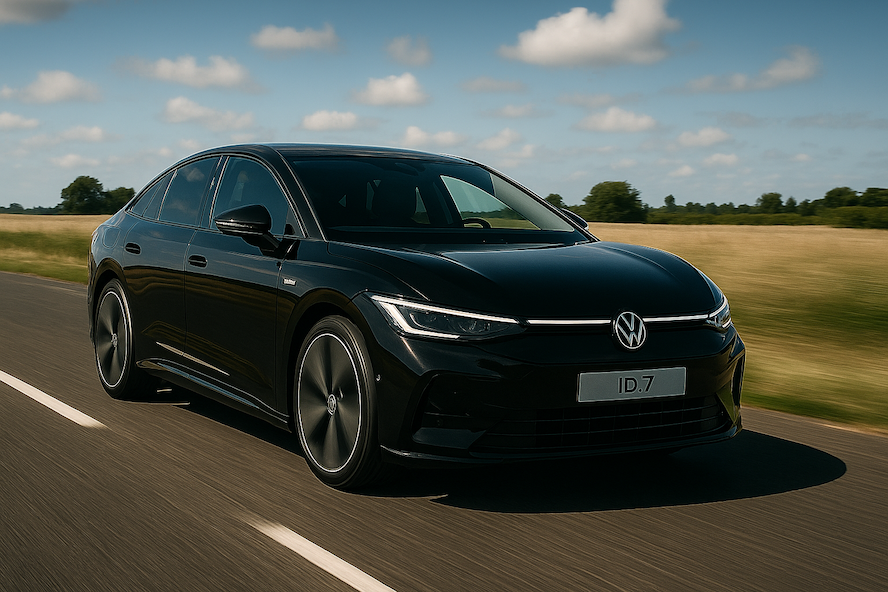 Taxi and private hire finance
Taxi Finance Direct can fund everything from LEVC to minibus, single vehicles to large fleets.
Including LEVC taxis and other vehicles used for standard taxi licensing and everyday passenger work.
Including Mercedes, BMW, Audi, Tesla and other vehicle types used for account work, airport journeys and professional private hire use.
Including larger passenger vehicles for hotel transfers, airport work, group bookings, rental fleets and multi-vehicle operators.
Funding for hackney carriage vehicles, LEVC taxis and working taxis used for licensed commercial use rather than standard private motoring.
Vehicle finance for private hire drivers and operators using executive cars, saloons, hybrids, EVs and MPVs for licensed passenger work.
Executive car and luxury MPV finance for chauffeur businesses, VIP transport operators, airport transfers and premium account work.
Funding for electric taxi and private hire vehicles including LEVC, Tesla and other EVs suited to urban and airport-based work.
Refinance for taxis and existing working vehicles where capital release, restructuring or cash flow support makes commercial sense.
Finance for multiple vehicles, growing taxi fleets, rental fleets and operators funding several units across one business.
For new starts and first-time operators who need a vehicle that fits licensing requirements, business plans and realistic affordability.
For drivers or firms moving into a newer taxi, LEVC, executive saloon or MPV to improve reliability, image or operating costs.
For operators building a larger fleet, rental book or mixed vehicle offering across taxi, private hire and chauffeur work.
Taxi Finance Direct knows the demand around London, Heathrow, Gatwick, Luton, Stansted, Canary Wharf, City Airport, corporate travel, hotel transfers and executive airport work. We have our finger on the pulse of the industry.
That matters because you are not just requiring a finance product. You are often searching because you need a working vehicle for real licensed use in a specific market, whether that is London private hire, airport transfer work, executive client journeys or taxi fleet growth elsewhere in the UK.
This includes LEVC, Mercedes, BMW, Audi, Tesla, Lexus, Volvo, Genesis and Range Rover, depending on whether the you are looking for a working taxi, private hire car, executive saloon, luxury MPV or premium fleet vehicle.
Common Vehicles include LEVC taxi, Mercedes V-Class finance, Mercedes EQE finance, BMW i7 finance, Audi A8 finance, Tesla Model S finance, Lexus LM finance, Volvo S90 finance, Mercedes EQV finance and other executive or electric chauffeur-linked models used for commercial passenger work.
Taxi Finance Direct as an expert broker with specialist funders, have deposits from 5-10 percent, refinance options and support for everything from single units to large fleets. We build trust with our taxi drivers, private hire operators, chauffeur firms and rental fleet businesses.
For this market, trust comes from sector knowledge. That includes understanding licensing, the private hire sector, commercial underwriting, vehicle suitability, refinance logic and the fact that working vehicles are bought to produce income rather than sit on a driveway as consumer cars.
Funding for individual taxi drivers replacing or upgrading licensed working vehicles.
Vehicle finance for licensed private hire work across local and airport-based operations.
Executive vehicle finance for premium client work, hotel transfers and VIP transport.
Vehicle funding for operators covering Heathrow, Gatwick, Luton, Stansted and wider airport transfer work.
Support for rental fleets and multi-vehicle operators financing several working vehicles.
Finance for high-spec saloons, MPVs and business-class passenger vehicles.
Funding for operators using suitable passenger vehicles for contracted school transport work.
Vehicle finance for operators providing local passenger movement and essential transport services.
Funding for vehicles used for hotel accounts, business travel and regular transfer bookings.
Taxi Finance Direct is rated 5.0 on REVIEWS.io.
"Having used the same finance company and broker for my business for the past two decades, I have now switched to Paul Thompson (Taxi Finance Direct). Completed two deals in the past six months and looking to complete a third deal within the next month. Totally recommend."
"Good customer’s service."
"Got me a Mercedes when nobody else could. Needed a good deposit but all good thank you."
These answers are useful for users drivers who have questions about our taxi finance product.
Yes, some start-up cases can work, especially where the applicant has the right experience, a realistic vehicle choice, a sensible deposit and a credible route to work.
Yes, LEVC taxi finance is one of the core use cases in this market, subject to lender criteria, deposit and the details of the case.
Yes, refinance may be available where the vehicle has value and the case supports a sensible release of capital or restructure.
Yes, taxi finance is not limited to purpose-built taxis. It can also cover executive cars, private hire vehicles, MPVs and chauffeur-use vehicles where the lender supports that use.
Yes, some operators finance multiple vehicles, especially where they are building or running a larger taxi, private hire or rental fleet.
Yes, electric taxi and private hire finance may be available for suitable vehicles and operators, including cases involving LEVC and other EVs used for licensed passenger work.
If you are ready to move forward, you can apply online or get in touch to discuss the vehicle, your business and the right finance route.